


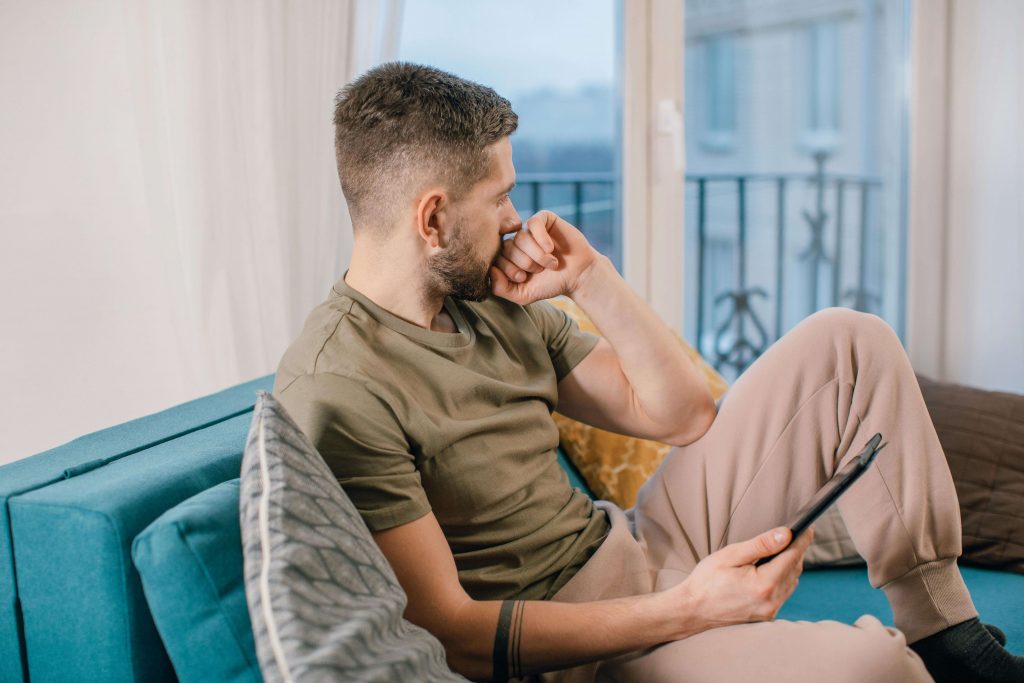
For many men, vulnerability can feel less like an open doorway and more like a wrestling match. One where strength, pride, fear, and longing are all locked together on the mat. You may want deeper connection with your partner, your kids, or even with yourself… but something holds you back. Words stall. Emotions flatten. Walls go up before you even realize they’re there.
If you’re a man in Colorado Springs struggling with trust, emotional closeness, or communication, you’re not broken. You’re patterned. And patterns can change with men’s therapy for vulnerability in Colorado Springs, CO.
Why Vulnerability Feels So Hard for Men
Most men were not taught how to be emotionally open. In fact, many were taught the opposite.
From a young age, boys often hear messages like:
- “Man up.”
- “Don’t cry.”
- “Handle it yourself.”
- “Feelings are weakness.”
Add to that experiences of criticism, rejection, betrayal, or unstable caregiving, and vulnerability can start to feel dangerous. Your nervous system learns: When I open up, I get hurt.
So you adapt.
You become the fixer.
The provider.
Or the calm one.
The stoic one.
Or the one who “doesn’t need anything.”
But inside, many men feel:
- Lonely even in relationships
- Misunderstood
- Emotionally numb or shut down
- Angry without knowing why
- Afraid of being controlled, judged, or abandoned
- Tired of carrying everything alone
Vulnerability isn’t actually the problem. Safety is.
Trust Isn’t Just About Other People
When men come to therapy saying they “have trust issues,” they often mean they don’t trust other people. But deeper work usually reveals something more fundamental:
They don’t trust themselves to stay safe if they open up.
Questions that may live underneath the surface:
- What if I lose control?
- Or what if I say the wrong thing?
- What if I get overwhelmed?
- Or what if I’m not enough?
- What if they use it against me later?
- Or what if I need something and it isn’t met?
Trust begins internally. It grows when you learn that you can experience emotion without being consumed by it.
The Cost of Emotional Armor
Emotional armor works. Until it doesn’t.
It can help you succeed professionally, stay composed under pressure, and push through hardship. But in relationships, that same armor creates distance.
Partners often say things like:
- “I feel shut out.”
- “I don’t know what you’re feeling.”
- “You won’t let me in.”
- “You disappear when things get hard.”
From your perspective, you may be thinking:
- I’m trying not to make things worse
- I don’t know what I feel
- Talking won’t fix it
- I need time to think
- Or I don’t want to say something I regret
This disconnect creates a painful cycle:
The more your partner pushes for closeness, the more you withdraw.
And the more you withdraw, the more they push.
Over time, both people feel rejected and alone.
Vulnerability Is Not Oversharing
Many men imagine vulnerability as dramatic emotional exposure — crying uncontrollably or revealing every insecurity. That’s not what healthy vulnerability looks like.
Real vulnerability is simple, grounded, and strong.
It sounds like:
- “I don’t know what I’m feeling yet.”
- “I’m overwhelmed and need a minute.”
- “I want to talk, but I’m afraid of messing it up.”
- “I care about this. I just don’t know how to show it.”
- “I feel like I’m failing here.”
These statements don’t weaken you. They build trust because they are honest and present.
Why Men’s Therapy for Vulnerability Looks Different
Men’s therapy for vulnerability is most effective when it respects how men are wired — biologically, socially, and psychologically.
Many men prefer:
- Practical tools over abstract discussion
- Goal-oriented conversations
- A nonjudgmental environment
- Clear feedback
- Permission to move at their own pace
- Emotional work that doesn’t feel forced
In men’s therapy, you won’t be pushed to “spill everything.” Instead, you’ll learn skills that gradually expand your capacity for connection.
What Therapy for Trust and Vulnerability Actually Builds
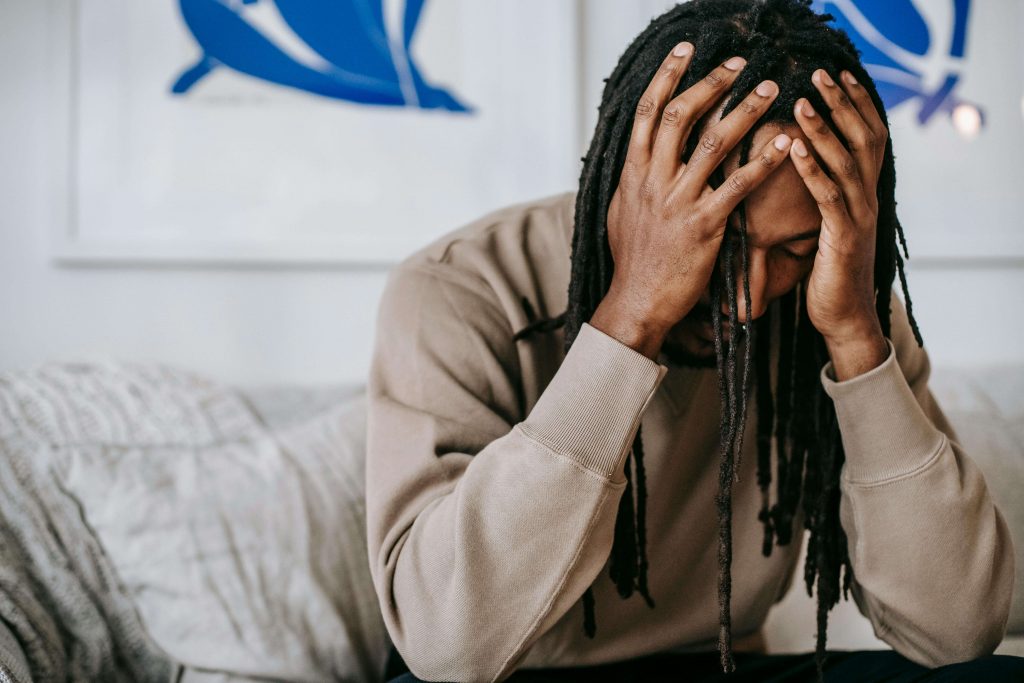
Emotional Awareness Without Overwhelm
You don’t have to label every feeling perfectly. Therapy for vulnerability helps you recognize internal states like tension, shutdown, anger, or anxiety — early enough to respond instead of react.
Regulation Skills
Many men shut down because emotions escalate too quickly. Learning how to calm your nervous system allows you to stay present instead of disappearing.
Communication That Feels Authentic
You don’t need scripts or therapy-speak. When working with a men’s therapist, you learn how to express yourself in a way that still feels like you.
Boundaries That Protect Without Isolating
Healthy boundaries aren’t walls. They’re gates you control.
Repair Skills
Conflict becomes less threatening when you know how to reconnect afterward.
Why Colorado Springs Men Often Struggle Quietly
Colorado Springs has a strong culture of self-reliance. Many men here are military, veterans, first responders, engineers, business owners, or outdoor athletes — roles that reward endurance and composure.
But strength in those environments can make vulnerability feel foreign at home.
You may be used to operating in high-stakes situations where emotion gets in the way. Then suddenly you’re expected to be open, expressive, and emotionally fluent in your relationship — without ever being taught how.
Therapy becomes a place to learn those skills without judgment or pressure.
Signs You May Benefit From Therapy
You don’t have to be in crisis. Many men seek therapy because they want more from life and relationships.
Common reasons include:
- Difficulty trusting partners
- Fear of commitment or closeness
- Emotional shutdown during conflict
- Anger or irritability
- Feeling numb or disconnected
- Repeating unhealthy relationship patterns
- Trouble expressing needs
- Anxiety or overthinking
- Past betrayal or trauma
- Wanting to be a better partner or father
Vulnerability as Strength, Not Weakness
Real strength isn’t the absence of emotion. It’s the ability to stay grounded while experiencing it.
Think of it less like removing armor and more like upgrading it — flexible instead of rigid, protective without cutting off circulation.
When men learn safe vulnerability, they often experience:
- Deeper intimacy
- Greater confidence
- Less anger and frustration
- Improved communication
- Stronger parenting presence
- Increased sense of purpose
- Relief from carrying everything alone
What Building Trust Actually Feels Like
Trust doesn’t appear overnight. It grows through repeated experiences of safety.
You begin to notice you:
- Don’t panic when conflict happens
- Can stay present instead of shutting down
- Speak up sooner
- Feel less guarded
- Can receive support without feeling weak
- Feel calmer in relationships, not more intense
Connection starts to feel energizing instead of draining.
You Don’t Have to Do It Alone
Many men believe they should figure this out themselves. But emotional skills are learned relationally — through experience with another person who is steady, attuned, and nonjudgmental.
Therapy for men at Altitude Counseling provides exactly that environment.
It’s not about blaming your past or dissecting every memory. It’s about building the capacity to live differently now.
A Different Kind of Strength
If you’re tired of surface-level conversations, recurring conflict, or feeling alone even when you’re not, therapy can help you build something deeper.
Not a new personality.
And not a loss of independence.
Not weakness.
A grounded, confident, emotionally steady version of yourself — one capable of real connection without losing who you are.
Because vulnerability isn’t surrender.
It’s courage with your armor set down… not thrown away.
Overcoming Barriers to Connection with Men’s Therapy for Vulnerability in Colorado Springs, CO
Feeling hesitant to open up or trust others isn’t a weakness. It’s a natural response to past experiences, social pressures, or fear of judgment. But when it keeps you from forming meaningful relationships or expressing your true self, it’s time to act.
At Altitude Counseling, therapy for vulnerability in Colorado Springs, CO, helps men explore what holds them back, build trust, and strengthen connections with others.
Here’s how working with a therapist can help:
- Contact us to explore patterns of avoidance or guardedness that make vulnerability difficult in friendships, romantic relationships, or at work.
- Begin men’s therapy and develop practical strategies for emotional openness, including how to communicate needs, set boundaries, and navigate trust issues.
- Practice confidence in connection, learning tools to engage authentically without fear of judgment or rejection.
Starting therapy for vulnerability in Colorado Springs, CO, can help you feel more authentic, confident, and capable of forming deeper connections. With guidance from our therapists, you can take steps toward healthier relationships and a stronger sense of self.
Evidence-Based Approaches for Lasting Change at Altitude Counseling
Beyond counseling specifically for men, our practice offers therapy services for individuals, couples, and families throughout Colorado. You can choose between in-person sessions at our Colorado Springs office or secure online therapy, making it easier to access care that fits your lifestyle, location, and comfort preferences.
Our team supports a broad spectrum of concerns, including anxiety, depression, trauma, grief, and substance abuse challenges. Through evidence-based approaches like EMDR and Cognitive Behavioral Therapy (CBT), we guide clients in building practical strategies for lasting personal growth and meaningful change.
We also provide care for adolescents and families, individuals navigating life transitions, new mothers adjusting to their roles, and those working through the long-term effects of childhood neglect. For clients seeking a more tailored experience, we offer faith-informed counseling, guidance for spiritual challenges, and Internal Family Systems (IFS) therapy. Wherever you are in your journey, our clinicians are dedicated to helping you move forward with insight, compassion, and confidence.